
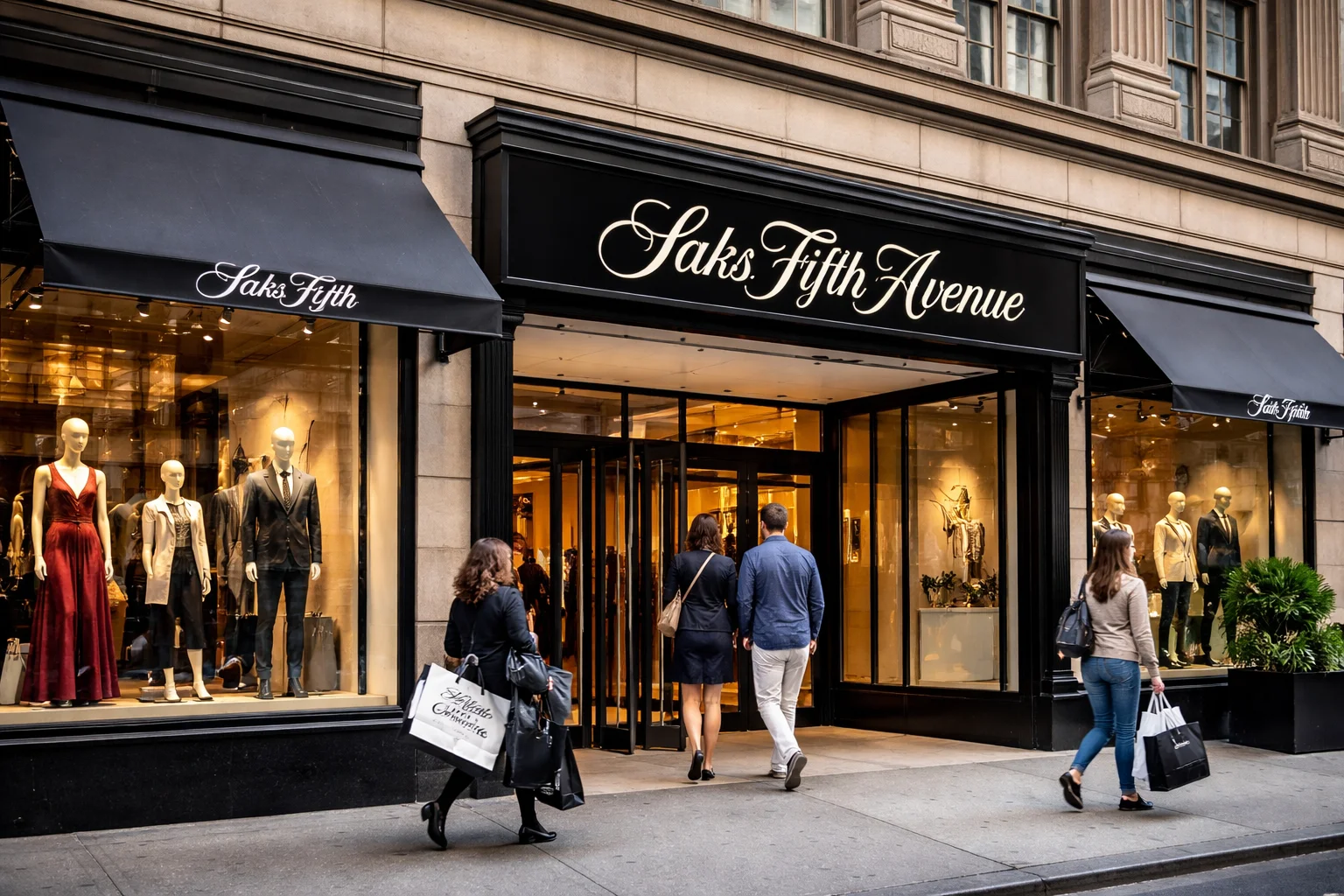
If you searched for saks fifth avenue chapter 11, you’re probably trying to understand one simple thing: Is Saks Fifth Avenue going out of business, and what does this mean for customers, employees, and the brand itself?
Chapter 11 headlines can sound alarming, especially when they involve a luxury retailer with a long history. This article explains what a Saks Fifth Avenue Chapter 11 filing actually means, why companies choose this route, what changes (and what doesn’t), and how it typically plays out in the real world.
By the end, you’ll have a clear, practical understanding—without legal jargon or panic-driven assumptions.
What does Saks Fifth Avenue Chapter 11 actually mean?
A Chapter 11 filing is a reorganization process, not a shutdown.
When a company like Saks Fifth Avenue enters Chapter 11 bankruptcy, it is seeking court protection to restructure its finances while continuing to operate. Stores usually stay open, websites remain active, and employees continue working.
See also Skims NYC Flagship: What to Expect From the New York Store Experience
Chapter 11 gives the company breathing room to:
- Renegotiate debt
- Rework leases and contracts
- Adjust operations without immediate creditor pressure
In short, Chapter 11 is designed to fix the business, not erase it.
Is Saks Fifth Avenue going out of business?
This is the most common misconception.
A Saks Fifth Avenue Chapter 11 bankruptcy does not automatically mean liquidation. That outcome is associated with Chapter 7, which is a completely different process.
In most Chapter 11 cases:
- Stores remain open
- Online shopping continues
- Gift cards and returns are usually honored (with some conditions)
The goal is to emerge as a healthier, more sustainable company.
Why would a luxury retailer file for Chapter 11?
Even well-known, high-end brands can face financial strain.
Debt and long-term financial obligations
Large retailers often carry significant debt from:
- Store expansion
- Real estate leases
- Previous acquisitions
When debt payments limit operational flexibility, Chapter 11 becomes a tool to restructure those obligations.
Changing shopping behavior
Luxury retail has shifted dramatically in recent years:
- More online-first shopping
- Fewer in-store visits
- Higher operational costs for physical locations
These shifts can stress traditional department store models, even for premium brands.
Costly leases and real estate pressure
High-end locations come with high rents. Chapter 11 allows a company to renegotiate or exit underperforming leases without immediately closing the entire business.
What happens during a Saks Fifth Avenue Chapter 11 filing?
Chapter 11 follows a structured process overseen by a bankruptcy court.
Day-to-day operations continue
Customers usually notice very little change at first:
- Stores stay open
- Orders are fulfilled
- Customer service remains active
This continuity is intentional—it preserves brand trust and revenue.
Financial restructuring begins
Behind the scenes, the company works on:
- Debt repayment plans
- Revised agreements with lenders
- Operational cost reductions
Court approval is required for major decisions, adding oversight and transparency.
Creditors and stakeholders are involved
Creditors vote on restructuring plans. The company must show that its plan is fair, realistic, and improves long-term viability.
How does this affect customers?
For most shoppers, the impact is minimal.
Gift cards, returns, and loyalty programs
In many Chapter 11 cases:
- Gift cards remain valid
- Returns are accepted under existing policies
- Loyalty benefits continue
However, policies can change, so customers should check official updates rather than relying on rumors.
Pricing and promotions
Sometimes, retailers offer more promotions during restructuring to maintain cash flow. This does not mean the brand is “dumping inventory” or preparing to close permanently.
What about employees and store closures?
Chapter 11 does not automatically mean mass layoffs.
Staffing impact
- Employees usually continue working
- Payroll typically remains uninterrupted
- Changes, if any, tend to be gradual
Some store consolidations may occur, but these are strategic decisions rather than emergency shutdowns.
Store footprint adjustments
Underperforming locations may close, especially in areas with high rent and low foot traffic. This is part of streamlining operations, not abandoning the brand.
How is Chapter 11 different from liquidation?
Understanding this difference is critical.
Chapter 11: Reorganization
- Business continues operating
- Debt is restructured
- Goal is long-term survival
Chapter 7: Liquidation
- Assets are sold
- Stores close
- Business ends
A Saks Fifth Avenue Chapter 11 filing signals intent to survive and adapt, not disappear.
What usually happens after Chapter 11?
Many major retailers have successfully emerged from Chapter 11 stronger than before.
Possible outcomes include:
- Reduced debt
- A smaller but more profitable store network
- Increased focus on e-commerce and premium experiences
The brand often exits court protection with a cleaner balance sheet and a clearer strategy.
Common misconceptions about Saks Fifth Avenue Chapter 11
“Chapter 11 means the brand failed”
Not true. Many companies use Chapter 11 proactively to correct financial structure issues.
“All stores will close”
Closures may happen selectively, but widespread shutdowns are not the default outcome.
“Customers should stop shopping there”
In most cases, shopping continues normally, backed by court-supervised protections.
FAQs about Saks Fifth Avenue Chapter 11
Is Saks Fifth Avenue bankrupt?
Yes, in the legal sense of Chapter 11 restructuring, but that does not mean the business is shutting down.
Can I still use my Saks gift card?
In most cases, yes. Policies are usually maintained during Chapter 11, though customers should confirm current terms.
Will Saks Fifth Avenue stores close permanently?
Some locations may close, but closures are strategic rather than a sign of total shutdown.
Does Chapter 11 affect online orders?
Online shopping typically continues without interruption during restructuring.
Conclusion: How to think about Saks Fifth Avenue Chapter 11
A Saks Fifth Avenue Chapter 11 bankruptcy is best understood as a financial reset—not a collapse. It allows the company to address debt, adapt to modern retail realities, and protect its core brand.
For customers, employees, and observers, the key takeaway is this: Chapter 11 is a structured path toward stability. It reflects adjustment, not abandonment.
Understanding that difference helps cut through fear-driven headlines and focus on what actually matters—how the business evolves and serves its customers moving forward.

