
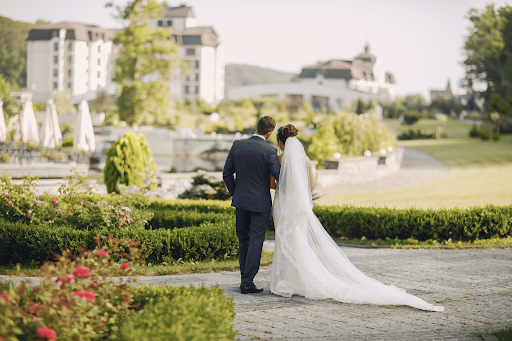
Most wedding budgets treat “the dress” as a single tidy line item, somewhere between the florist and the DJ. Anyone who has actually shopped for a bridal look knows better. By the time you’ve added alterations, undergarments, a veil, shoes, jewelry, preservation, and maybe a second outfit for the reception, the real number can be double what the gown price tag suggested — and it usually arrives in a series of smaller surprises rather than one big one.
If you’re planning a wedding and want your bridal wardrobe to feel as considered as the rest of your day, here’s what it actually costs, where the budget quietly breaks down, and how to build a plan that lets you dress exactly how you want without the financial hangover afterward.
What a Complete Bridal Wardrobe Actually Costs
The gown itself is the anchor cost, and in 2026 the average bride spends somewhere between $1,800 and $2,100 on it, with a broader realistic range of $1,500 to $3,000 depending on designer, fabric, and where you shop. But the gown is rarely where the spending stops.
Alterations alone typically run $300 to $800 for standard adjustments — hemming, taking in the bodice, bustling the train — and can climb past $1,000 for more complex custom work. Then there’s everything else: undergarments and shapewear ($50–$200), a veil or headpiece ($50–$500), shoes ($50–$300), jewelry ($100–$500), and preservation after the big day ($150–$500).
Add it up, and the full bridal wardrobe — beyond the gown itself — commonly adds another $600 to $2,800 on top. A useful rule of thumb from bridal stylists: your gown budget should represent roughly 5 to 10 percent of your total wedding budget, but the complete wardrobe, alterations included, deserves its own separate line item rather than being folded into “miscellaneous.”
As a quick snapshot, here’s roughly where that additional spend tends to land:
- Alterations: $300–$800 (standard), $1,000+ for custom work
- Undergarments and shapewear: $50–$200
- Veil or headpiece: $50–$500
- Shoes: $50–$300
- Jewelry: $100–$500
- Preservation after the wedding: $150–$500
None of these individually feels like a big-ticket item, which is exactly why they’re so easy to underestimate in the aggregate.
The Wardrobe Nobody Budgets For: The Rest of the Wedding Week
The gown gets all the attention, but a modern wedding often involves multiple outfits — a rehearsal dinner look, a going-away outfit, potentially a second reception dress for dancing, and for many couples, culturally significant changes throughout the celebration. Each of these is a real cost that rarely makes it into the initial wedding budget spreadsheet, precisely because it doesn’t feel like “the wedding outfit.”
The wedding party’s wardrobe carries its own weight too. While bridesmaids and groomsmen typically cover their own attire, coordinating with them on budget-friendly options — rather than assuming everyone can absorb a $200+ dress or a designer suit rental — is a style-meets-budgeting conversation worth having early, not two weeks before the big day.
Where the Budget Usually Breaks Down
The single biggest budget-buster is timeline pressure. Order a gown too close to the wedding date and you’re paying rush fees on both the dress and the alterations — sometimes 25 to 50 percent more than standard turnaround pricing. Bridal stylists generally recommend ordering a gown eight to ten months out specifically to avoid this.
The second most common overage is treating alterations as an afterthought rather than a planned cost. A gown that photographs beautifully on the hanger can need significant tailoring to fit and move correctly, and that number is almost always higher than brides initially guess.
Building a Wardrobe Budget That Doesn’t Wreck Your Wedding Budget
A few practical moves make a meaningful difference here. Set a dedicated bridal wardrobe budget separate from the general wedding fund, and build in alterations, accessories, and preservation from day one rather than discovering them later. Shop with enough runway — eight-plus months for a made-to-order gown — to avoid rush pricing entirely. And get a second, honest opinion on alteration needs before you commit to a dress that looks perfect but needs a near-total rebuild to actually fit.
When Financing the Wardrobe Makes Sense
For couples in Singapore, where the average wedding runs between SGD 30,000 and SGD 50,000 once venue, catering, photography, and wardrobe are all accounted for, it’s common for the wardrobe piece to get squeezed as other costs climb. Rather than compromising on a look you’ll photograph forever, some couples choose to finance the wardrobe portion separately from savings earmarked for the honeymoon or a new home.
A dedicated wedding loan from a licensed moneylender is built specifically for this kind of planned, one-off wedding expense — covering everything from the gown and alterations to hair, makeup, and accessories — with a fixed repayment schedule that doesn’t compete with your other post-wedding financial goals. It’s worth treating as a deliberate part of the wedding budget from the start, rather than a last-minute scramble once the alteration quote comes back higher than expected.
Style Tips to Stretch Your Budget Without It Showing
A few style-forward moves can meaningfully reduce cost without anyone in the room noticing:
- Consider sample sales and trunk shows. Bridal salons regularly discount sample gowns 30 to 50 percent, and many are in excellent condition.
- Rent statement accessories. A veil, jewelry, or even a second reception look can often be rented rather than bought outright — smart for a one-day-wear piece.
- Mix investment and budget pieces. Splurge on the gown itself, and be more budget-conscious on shoes or accessories that won’t be visible in most photos.
- Get alterations quoted before you buy. Ask your bridal salon for a realistic alterations estimate on a specific gown before purchasing, not after.
- Buy your going-away or rehearsal outfit off-season. A non-bridal dress bought as regular retail, rather than through bridal-specific channels, is almost always cheaper for the same quality.
A Few Quick Questions Brides Ask
Should I buy my gown online to save money? It can work for simple silhouettes, but budget extra for alterations, since made-to-order online gowns often need more tailoring than an in-store fitting would catch early. Factor that into the “savings” before assuming it’s cheaper overall.
Is it worth buying a second dress for the reception? Only if it’s genuinely part of your vision — a lighter, dance-friendly option is a lovely touch, but it’s also the easiest line item to cut if the budget is tight elsewhere. There’s no rule that says you need one.
How early should bridesmaids order their dresses? Ideally four to six months out, for the same reason as the bridal gown — rush orders and last-minute alterations both cost more and add stress right when you need it least.
The Bottom Line
A bridal wardrobe is one of the most photographed, most remembered parts of a wedding — and also one of the most consistently under-budgeted. Treating it as its own line item, planning the timeline to avoid rush fees, and knowing your financing options in advance all add up to a wardrobe that looks effortless, even when the planning behind it very much wasn’t.
Author Bio
Written by the content team at Quick Loan Pte Ltd, a licensed moneylender in Singapore helping individuals and couples plan responsibly for life’s biggest financial moments — from weddings to home renovations and everything in between.

