
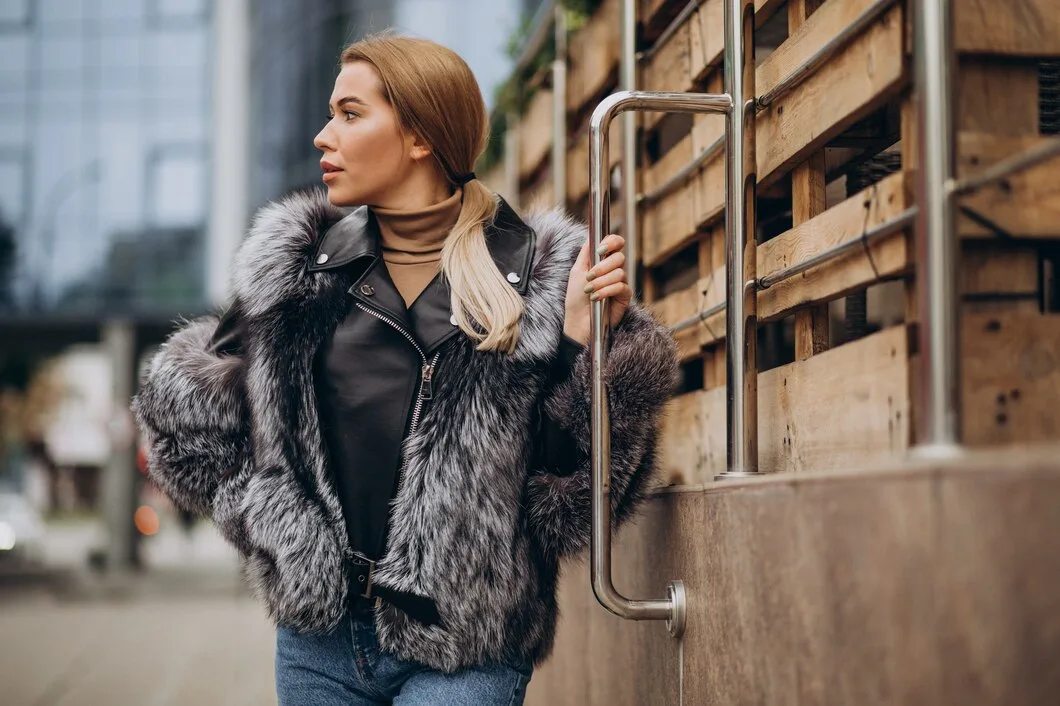
A genuine shearling jacket combines two useful parts of one natural material: a leather exterior that helps reduce wind penetration and an attached wool interior that traps insulating air. This construction can provide substantial cold-weather comfort without requiring a separate synthetic lining. However, warmth depends on more than the material name. Wool density, fit, closures, jacket length, wind, moisture and activity level all influence real-world performance.
Shearling can handle light, dry snowfall when properly finished and cared for, but it should not be treated as waterproof outerwear. Understanding how the material is made—and what separates genuine shearling from look-alike products—makes it much easier to choose a jacket suited to your climate and routine.
What Is a Shearling Jacket?
A shearling jacket is made from sheepskin that has been processed with its natural wool still attached. In the most familiar construction, the wool faces inward to provide insulation, while the leather or suede surface faces outward.
Because the wool and hide remain connected, genuine shearling is sometimes described as double-faced sheepskin. It does not require a separate fabric backing to hold the wool in place. This continuous construction distinguishes it from a leather jacket with a sewn-in fleece lining.
The words sheepskin, shearling, lambskin and sherpa are often used as though they mean the same thing. They do not.
| Term | What it generally means | Is natural wool attached? |
| Sheepskin leather | Leather produced from a sheep hide | Not always |
| Shearling | Sheepskin processed with its fleece retained | Yes |
| Lambskin | Hide from a young sheep or lamb | Depends on the product |
| Faux shearling | A manufactured imitation of shearling | No |
| Sherpa fleece | A knitted pile fabric, usually synthetic | No |
Sheepskin leather is therefore a broad material category, while shearling describes a more specific wool-on-hide construction. A product described only as “sheepskin” should still be checked to confirm whether the wool is attached, separately installed or absent altogether.
How Is Sheepskin Leather Made?
Turning a raw skin into a comfortable winter garment requires several controlled stages. Exact methods vary by tannery, leather finish and intended product, but genuine shearling is never created simply by cleaning and stitching an untreated hide.
Hide Selection and Grading
Production begins by inspecting each skin for size, strength, wool consistency and visible damage. Since sheepskin is a natural material, no two hides are completely identical. Small differences in grain, wool texture and shade can be normal, but deep cuts, weak areas and excessive wool loss can reduce the usable portion of a skin.
Garment makers also consider how different sections of a hide will behave. Panels around the shoulders, sleeves and closures experience more movement and stress than decorative sections, so pattern placement affects durability as well as appearance.
Preservation, Soaking and Cleaning
Fresh hides must be preserved before full processing to prevent deterioration. Depending on the supply chain, this may involve salting, chilling or another controlled preservation method.
At the tannery, the skins are soaked to remove salt, dirt and surface residue. The wool must be cleaned without being separated from the hide, while unwanted tissue and fat are removed from the flesh side. This stage prepares the skin for tanning and helps create an even result.
Wool-on processing differs from making ordinary hair-off leather. Many conventional leather processes are designed to loosen and remove hair, while shearling production must preserve the fleece securely.
Tanning the Skin
Tanning stabilizes the hide’s collagen structure so that it does not decay like untreated skin. It also influences softness, flexibility, color acceptance and resistance to repeated use.
Tanneries may use chrome, aldehyde or other tanning systems depending on the desired result and applicable production standards. The exact chemistry and sequence vary, which is why claims such as “chemical-free leather” should be treated cautiously. Sheepskin is a natural raw material, but producing stable garment leather still requires controlled processing.
After tanning, the skin may be neutralized, softened and treated to achieve the required weight and hand feel. A jacket designed for a structured aviator silhouette may require a different finish from a lightweight, draped coat.
Trimming and Finishing the Wool
The fleece is cleaned and trimmed to create a more consistent pile. Wool length affects both the jacket’s appearance and the amount of bulk inside it.
A dense, longer pile may provide greater insulation, but it can also increase weight and reduce room for heavy layers. Shorter wool can produce a lighter, slimmer garment suited to milder winters or frequent indoor use. Maximum thickness is not automatically the best choice for every customer.
Dyeing and Finishing the Exterior
The exterior may be left with a suede-like nap, coated to create a smoother nappalan finish or treated in another way to achieve the desired color and surface character.
Finishing can influence stain resistance and how the material responds to light moisture, but it does not automatically make the jacket waterproof. Buyers should follow the care instructions for the specific finish rather than applying a generic leather product.
Cutting, Panel Matching and Stitching
Natural hides are not uniform rolls of fabric. Before cutting, makers must position pattern pieces around weak areas while matching color, wool density and surface texture across visible panels.
Leather edges may be thinned where necessary to reduce bulky seams. The panels are then stitched, closures and hardware are installed, and stress points such as pockets, cuffs and the front opening may be reinforced.
A final inspection should check:
- Panel and shade consistency
- Wool attachment and density
- Seam security
- Zipper alignment
- Hardware operation
- Collar and cuff construction
- Surface finishing
- Overall garment measurements
The quality of these steps can be just as important as the raw material.
Why Does Shearling Keep You Warm?
A regular leather shell can reduce wind exposure, but leather alone has limited loft and therefore limited insulation. In genuine shearling, most of the insulating work is performed by the wool retained on the hide.
Wool Crimp Creates Insulating Air Pockets
Individual wool fibers have a naturally crimped structure. When many fibers sit together, the spaces between them hold pockets of relatively still air. That trapped air slows the transfer of body heat to the colder environment.
The Woolmark Company provides additional information about the natural insulation and breathability of wool, including how its fiber structure supports temperature and moisture management.
Wool density and pile length influence this process, but more wool is not always better. The ideal construction depends on the climate, garment weight and intended activity.
The Leather Exterior Helps Reduce Wind Penetration
Wind can remove warm air from around the body and make cold conditions feel considerably harsher. A dense sheepskin exterior provides a physical barrier that reduces airflow through the garment.
The jacket’s complete construction still matters. Cold air can enter through:
- An open collar
- Loose cuffs
- An unsecured hem
- A lightweight zipper
- Large gaps between buttons
- Poorly finished seams
A secure front closure, protective collar and properly fitting cuffs can make a noticeable difference without changing the wool itself.
Wool Helps Manage Moisture Vapor
Wool can absorb moisture vapor within its fiber structure and release it gradually. This can help maintain a more comfortable microclimate inside a jacket when the wearer moves between outdoor cold, heated interiors and different activity levels.
Moisture absorption should not be confused with waterproofing. Wool’s ability to manage vapor does not prevent rain, melted snow or slush from saturating the exterior.
Fit Supports the Thermal System
A shearling jacket should fit close enough to limit large channels of cold air but not so tightly that it compresses the wool or restricts circulation and movement.
If the jacket will regularly be worn over a sweater, measurements should be taken over a similar layer. Choosing an oversized jacket without checking its proportions can leave excessive space at the waist, cuffs or collar, while an undersized jacket can flatten the insulating wool and restrict the shoulders.
What Determines the Actual Warmth of a Shearling Jacket?
There is no universal temperature rating that applies to every genuine shearling garment. Two jackets made from the same material can perform differently because of their cut and construction.
Important factors include:
Wool Density and Pile Length
Dense wool generally traps more insulating air. However, extremely heavy pile may be unnecessary for mild city winters and can make a jacket less convenient during travel or indoor use.
Jacket Length
A waist-length aviator protects the upper body while allowing easy movement. A hip-length jacket or long coat provides additional coverage below the waist. Greater length can improve overall protection, but a longer garment is not automatically warmer if it has weak closures, thin wool or a loose fit.
Collar, Cuffs and Hem
A high collar can reduce exposure around the neck. Close-fitting cuffs limit drafts through the sleeves, while an adjustable or well-fitted hem helps retain warm air around the torso.
Front Closure
A sturdy zipper usually creates a closer seal than widely spaced buttons. Some winter jackets add a storm flap, double-breasted closure or buckle at the neck for extra protection.
Wind, Humidity and Exposure Time
A short walk through calm, dry cold is different from standing outdoors for an hour in strong wind. Humidity, wind chill and the length of exposure can substantially change how warm a jacket feels.
Activity and Personal Comfort
Walking generates more body heat than standing still. Some people also naturally run warmer or colder than others. Any temperature guidance should therefore be treated as an estimate, not a performance guarantee.
Underlayers
A breathable base layer and thin insulating mid-layer can extend the useful range of a jacket. Layering only works when the garment has enough room through the chest, shoulders and upper arms without becoming excessively loose elsewhere.
Can You Wear a Shearling Jacket in Snow?
A genuine shearling jacket can be worn in certain snowy conditions, but “snow” can describe very different types of weather.
Light, Dry Snow
Dry snow that remains frozen on the surface is usually easier to manage. Brush it away before it melts, especially from suede finishes and seam areas.
Wet or Melting Snow
Wet snow introduces more liquid moisture. If it remains on the jacket, it may darken the surface temporarily, create water marks or affect the texture as it dries.
Sleet, Slush and Freezing Rain
These conditions present greater risk because they combine water, ice and sometimes road salt. A technical waterproof shell is normally a more practical choice for prolonged exposure to heavy wet snow or freezing rain.
Is Sheepskin Leather Waterproof?
No. A finished surface may offer limited resistance to light moisture, but genuine sheepskin should not automatically be described as waterproof.
Water performance depends on:
- Exterior finish
- Seam construction
- Protective treatment
- Duration of exposure
- Condition of the garment
- Type of precipitation
Do not apply a generic waterproofing spray without confirming that it is suitable for the jacket’s exact finish. Some treatments can alter color, texture or breathability.
What Should You Do If Shearling Gets Wet?
- Shake or brush away remaining snow.
- Blot surface moisture with a clean, absorbent cloth.
- Place the jacket on a wide, supportive hanger.
- Allow it to dry naturally at room temperature.
- Keep it away from radiators, fireplaces and hair dryers.
- Do not fold or seal it in plastic while damp.
- After drying, follow the manufacturer’s instructions for restoring the surface.
- Consult a specialist if the garment becomes saturated, stained or stiff.
Rapid heat can dry the natural structure unevenly and may contribute to hardening, shrinkage or surface damage.
Genuine Shearling vs. Faux Shearling
Modern faux materials can closely imitate the appearance of natural wool, particularly in online photographs. The important difference is construction rather than appearance alone.
| Feature | Genuine shearling | Faux shearling |
| Base material | Wool attached to sheepskin | Manufactured pile on textile backing |
| Interior and exterior | Two sides of one hide | Separate manufactured layers |
| Texture | Naturally varied | Usually more uniform |
| Breathability | Generally strong | Depends on fiber and backing |
| Weight | Can be substantial | Often lighter |
| Care | Usually specialist care | Depends on manufacturer |
| Price | Normally higher | Usually more accessible |
| Animal-free | No | Usually, but composition should be checked |
A well-engineered synthetic jacket can still provide effective warmth. The purpose of this comparison is not to dismiss faux alternatives, but to ensure shoppers understand what they are purchasing.
Benefits and Limitations of Sheepskin Leather
Potential Benefits
- Natural wool insulation
- Reduced wind penetration through the hide
- Moisture-vapor management
- Soft and flexible feel
- Distinctive natural texture
- Strong cold-weather performance when properly constructed
- Long usable life with appropriate care
- Availability in short jackets and long coats
Potential Limitations
- Higher initial price
- More weight than ultralight insulation
- Sensitivity to prolonged wet conditions
- Specialist cleaning requirements
- Greater storage needs
- Variation between natural hides
- Not suitable for shoppers avoiding animal-derived materials
- Possible overheating in mild weather or during intense activity
A balanced buying decision should consider both sides rather than treating genuine shearling as the automatic winner for every climate.
How Can You Identify Genuine, High-Quality Shearling?
No single smell, touch test or price point proves authenticity. The safest approach combines material disclosure with visible construction evidence.
Read the Material Description Carefully
Look for precise terms such as:
- Genuine shearling
- 100% sheepskin
- Double-faced sheepskin
- Natural wool attached to hide
Terms such as “shearling style,” “sherpa lined,” “wool feel” and “faux shearling” describe a different construction.
Examine an Exposed Edge or Seam
Where construction is visible, genuine shearling should show wool growing from the same skin that forms the exterior. Faux shearling usually has a woven, knitted or mesh backing.
A leather shell with a separately sewn wool or synthetic liner may still be a quality jacket, but it is not the same construction as double-faced shearling.
Check the Wool
The wool should be securely attached and reasonably consistent for the intended design. Natural variation is expected, but loose patches, obvious shedding and exposed backing are warning signs.
Inspect the Stitching and Hardware
Look for:
- Even stitch spacing
- Secure pocket corners
- Straight zipper installation
- Reinforced stress points
- Cleanly finished edges
- Hardware that operates smoothly
- Panels that sit without twisting
Distinguish Natural Variation From Defects
Minor grain differences, small healed markings and subtle shade variation can be part of a natural hide. New-jacket cracking, separating layers, broken stitching, glue failure and major color transfer are not desirable natural characteristics.
Avoid Destructive Authenticity Tests
Burning fibers, puncturing the material or applying unapproved liquids can permanently damage the jacket. Ask for written material confirmation or use a qualified leather specialist if the product description is unclear.
Choosing a Shearling Jacket for Your Climate and Routine
Mild or Transitional Winters
A lighter shearling construction, shorter wool pile or trim-focused design may provide sufficient comfort without excessive weight.
Cold Urban Winters
A full shearling jacket with a secure zipper, useful collar and sufficient layering room can work well for commuting and everyday wear.
Windy, Regularly Freezing Conditions
Prioritize dense wool, a protective collar, close cuffs, secure closure and suitable body coverage. A hip-length jacket or coat may offer more protection than a cropped design.
Predominantly Wet Winters
If prolonged rain, slush and wet snow are normal, a properly rated waterproof shell may be more practical as primary outerwear. Shearling can remain an option for dry days rather than being expected to replace technical rain protection.
Driving and Frequent Travel
A waist- or hip-length jacket is generally easier to sit in, carry and store than a heavy long coat.
Extended Outdoor Walking
A longer garment may provide useful coverage over the hips and upper legs, provided it does not restrict movement.
Shearling Jacket Buying Checklist
Before ordering, evaluate four areas: material, construction, fit and seller transparency.
Material Questions
- Is the garment genuine or faux?
- Is it full shearling or only shearling-trimmed?
- Are the wool and hide one continuous material?
- What finish is used on the exterior?
- Are the sleeves also wool-lined?
Construction Questions
- Are seams even and secure?
- Are pockets and closures reinforced?
- Does the collar close effectively?
- Do the cuffs leave large gaps?
- Are panels matched in shade and texture?
- Does the zipper sit straight?
Fit Questions
- What is the actual garment chest measurement?
- Where do the shoulder seams sit?
- Is there room through the upper arms?
- Does the sleeve reach the wrist without covering the hand?
- What is the back length?
- Were measurements taken over the intended winter layer?
Do not rely only on a Small, Medium or Large label. Compare the listed garment measurements with a jacket that already fits comfortably.
Seller Questions
A trustworthy product page should provide:
- Exact material composition
- Multiple original photographs
- Close-up construction images
- A detailed size chart
- Shipping information
- Return and exchange terms
- Care instructions
- Accessible customer support
Material quality is only one part of the purchase. Seller transparency, sizing, delivery and return terms matter as well. For a retailer-focused checklist, see this guide on where to buy authentic sheepskin jackets in the USA.
Evaluating Price and Value
A very low price may indicate faux materials, partial trim or lower-cost construction, but a high price does not prove authenticity. Evaluate what the price includes:
- Full or partial shearling
- Garment length
- Number and quality of hides
- Panel matching
- Hardware
- Construction
- Seller support
- Return protection
Value also depends on use. A well-made jacket worn throughout every winter may offer better long-term value than an expensive statement piece worn only occasionally.
How Should You Care for a Shearling Jacket?
Routine care should be gentle and specific to the garment’s finish.
- Allow the jacket to air after wear.
- Brush dry surface dust with an appropriate soft brush.
- Blot spills rather than rubbing them deeper into the material.
- Dry naturally if exposed to light moisture.
- Use a wide hanger that supports the shoulders.
- Store in a cool, ventilated location.
- Use a breathable garment cover rather than plastic.
- Keep the jacket away from direct sunlight and heat during storage.
- Avoid machine washing and tumble drying.
- Use a specialist for deep cleaning, oil stains or heavy water exposure.
Do not automatically apply a smooth-leather conditioner to suede or nappalan shearling. Use only products approved for the exact surface finish, preferably after testing an inconspicuous area.
Is a Genuine Shearling Jacket Worth Buying?
A genuine shearling jacket can be worthwhile for someone who regularly experiences cold, relatively dry winters and wants one garment that combines natural insulation with a leather outer surface. It may also suit buyers who value tactile materials, repairability and long-term use.
It may be less suitable for someone who:
- Lives in a predominantly warm climate
- Needs ultralight or highly packable outerwear
- Regularly faces heavy rain and wet snow
- Does not want specialist care
- Prefers animal-free materials
- Wants a short-term trend purchase rather than a long-term garment
The best jacket is not automatically the thickest or most expensive. It is the one whose construction, weight, fit and weather limitations match how it will actually be worn.
Frequently Asked Questions
What is a shearling jacket?
A shearling jacket is made from sheepskin processed with its natural wool retained. The wool usually faces inward for insulation, while the leather or suede surface faces outward. In genuine double-faced shearling, both surfaces are part of the same hide.
Are sheepskin leather and shearling the same?
Not always. Sheepskin leather is any leather made from a sheep hide and may have the wool removed. Shearling specifically refers to sheepskin processed with the fleece attached. Product composition should be checked rather than assuming the terms are interchangeable.
Is shearling warmer than a regular leather jacket?
Usually, because a standard leather jacket has limited loft unless it contains a separate insulating liner. In shearling, the attached wool traps air while the outer hide reduces wind penetration. Actual warmth still depends on density, fit, coverage and closures.
Can you wear a shearling jacket in snowfall?
It can generally handle brief exposure to light, dry snow if the snow is removed before melting. Heavy wet snow, slush and freezing rain can saturate or stain the material. Shearling should not be treated as fully waterproof outerwear.
Is genuine sheepskin leather waterproof?
No. Some surface finishes provide limited water resistance, but performance varies. Prolonged moisture can affect the color, texture and flexibility of the hide. Follow the manufacturer’s instructions before applying any protective product.
How can you tell if shearling is genuine?
Check for clear material disclosure and examine whether the wool emerges directly from the same skin that forms the exterior. A textile, mesh or knitted backing normally indicates faux shearling or a separate lining. Avoid destructive home tests.
How should a shearling jacket fit?
It should feel comfortably close without restricting the shoulders, chest or arms. There should be room for the intended winter layer, but excessive space around the cuffs, hem or collar can allow drafts. Always compare actual garment measurements.
Will a sheepskin jacket stretch?
Some leather may relax slightly with use, but the amount varies. Stretch should not be relied upon to correct tight shoulders, restricted armholes or an undersized chest. A jacket should be wearable and mobile from the beginning.
Is faux shearling as warm as genuine shearling?
Performance depends on the full garment. Genuine shearling offers a naturally integrated wool-and-hide construction, while faux options vary widely by pile, backing and shell. A well-engineered synthetic jacket can be warm, but visual similarity alone does not guarantee comparable performance.
Can a shearling jacket be machine-washed?
Generally, no. Water, detergent, agitation and machine drying can damage the hide, wool and garment shape. Follow the care label and use a professional cleaner experienced with sheepskin for deep cleaning.
How long can a genuine shearling jacket last?
There is no guaranteed lifespan. Hide quality, construction, frequency of use, weather exposure, storage and cleaning all matter. A well-made jacket receiving appropriate care can provide many years of use, while poor construction or unsuitable care can shorten its life considerably.
Is a shearling jacket suitable for every winter climate?
No. It performs particularly well in cold, windy and relatively dry conditions. In climates dominated by heavy rain, wet snow and slush, a waterproof technical shell may be a more practical primary garment.

