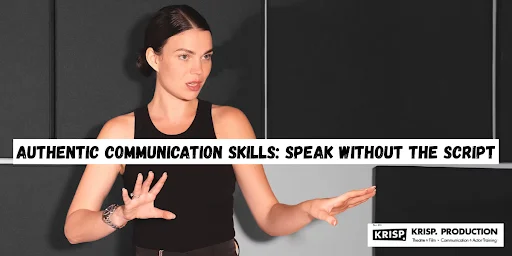
Ever freeze mid-presentation because you forgot your script? Like you’re staring at blank faces in the boardroom near Raffles Place, and suddenly every rehearsed line vanishes from your memory.
This happens to professionals across Singapore more often than most people admit. They memorize speeches word-for-word, thinking it’ll make them sound polished. Instead, they end up robotic, disconnected, and one forgotten line away from panic.
The truth is, authentic communication means learning to speak naturally while still delivering your message with confidence. At Krisp Production, we help people develop communication skills that work in everyday life, whether you’re giving presentations to clients or speaking up in meetings.
In this guide, we’ll show you how to ditch the script, trust your voice, and build the public speaking abilities that connect with your audience.
Ready to learn about authentic communication in Singapore? Let’s get started.
Why Authentic Communication Works in Singapore
Authentic communication means speaking from understanding instead of memorized lines or rigid scripts. You need to develop this communication skill because it opens doors in both your personal and professional life that rehearsed speeches never will.

Now, think about Singapore’s diverse workplace for a second. Walk into any office around Marina Bay or Bugis, and you’ll notice the leaders who build trust aren’t reciting from memory. Instead, they speak like real people and adjust their message based on the room they’re in.
Here’s the thing about effective communication skills: your audience picks up on authenticity immediately. Your audience can tell in seconds if you’re reading from a script or talking to them like a real person. That quick judgment changes everything. It affects how clients see you, how your team listens to your ideas, and whether people take you seriously.
At Krisp Production, we’ve seen that professionals who build strong communication skills get results quickly. The reason? People trust speakers who sound human, not robotic. When you finally bite the bullet and learn to speak naturally, something shifts. You stop stressing about forgotten lines. Instead, you focus on connecting with the people in front of you.
The Problem with Scripted Speaking
Ever watch someone give a presentation and think “they sound like a robot”? (And yes, we’ve all sat through those painfully robotic presentations.) The problem starts when people memorize speeches word-for-word to manage their stage fright and fear of public speaking.
Let us walk you through three ways scripts sabotage your ability to speak well.
Scripts Trap You in Rigid Patterns
Memorized speeches fall apart the moment someone asks a question or your mind goes blank. You can’t adapt when a client challenges your point or when you need to skip ahead because time runs short. The script that felt like safety becomes a cage.
Recovery Becomes Nearly Impossible
Scripts kill your ability to recover from mistakes during live presentations or speeches. When you lose your place, self-doubt kicks in, and panic takes over. You’re stuck trying to remember exact words instead of just explaining what you know to your audience.
Audiences Disengage Fast
The worst part? People in the room tune out when speakers sound like they’re reciting lines instead of communicating ideas. A large audience can tell the difference between someone who’s fully present and someone who’s performing from memory.
How to Speak Without Memorizing Every Word
We suggest focusing on key points and using your body to guide you. The best part about ditching the script is that you can adapt to any room or reaction.

When you develop these presentation skills, you gain the freedom to respond on the spot when things don’t go as planned.
Here are two techniques that help you speak confidently without scripts.
-
Trust Your Natural Voice
You might be wondering how to make this shift without losing your message. The answer is simpler than you think: focus on key points rather than exact wording. This keeps your presentations flexible and natural when you speak to clients or teams.
Here’s what most people miss. Your everyday speaking voice already works well, so stop trying to sound like someone else. Self-awareness to recognize your strengths helps build self-confidence when you present.
Think about how you explain ideas effectively to a friend over coffee. That same relaxed approach works in professional settings once you practice it enough.
-
Use Body Language to Fill the Gaps
Now let’s talk about what happens physically when you speak. Gestures and movement help you remember ideas without relying on written notes or scripts. When you use body language naturally, your hands and posture become prompts that keep you on track during speeches.
What really changes things is eye contact. It keeps you fully present with your audience rather than stuck inside your head. Strong observation skills let you read the room and adjust your delivery based on how people respond.
Physical expression adds meaning to words and makes pauses feel purposeful, which helps you move between ideas smoothly.
Building Confidence Through Practice
Practice in real situations builds confidence faster than rehearsing alone in your bedroom. The difference between reading about public speaking and doing it is huge. Let us show you how to start building these skills in ways that work.
Start Small in Safe Spaces
Begin with low-pressure settings like team meetings or casual networking events. These smaller moments help you gain confidence without the fear of messing up in front of important clients. You can test ideas here and there, adjusting as you go.
What works well is recording yourself talking through topics. Drawing from our experience with students across Singapore, we’ve seen how video practice helps you spot patterns and build comfort with speaking off the cuff. You notice things about your delivery that you miss in the moment.
Another option is joining group classes or workshops around Orchard or Bugis. Training sessions at places like Krisp Production create a supportive environment where you can experiment without high stakes. The practice you get in these sessions transfers directly to your professional presentations.
Learn from Real Feedback
Constructive feedback from coaches or peers shows you what’s working better than guessing on your own. When you receive constructive feedback regularly, you develop self-awareness about your speaking habits.
In most cases, video reviews reveal body language patterns and verbal tics you can’t notice while speaking (because old habits die hard without an outside perspective). Seeing yourself on screen feels uncomfortable at first, but it leads to improved confidence once you understand what to fix.
The main thing is finding environments where people give honest input without harsh judgment. In such cases, supportive workshops and training programs help you grow through mistakes rather than hiding them.
Where to Improve Your Communication Skills in Singapore
Looking for a place to practice without the pressure of a boardroom presentation? Here are your best options:
- Public speaking courses: These classes teach practical strategies for speaking naturally under pressure. Most highly recommended programs focus on real workplace scenarios you’ll face.
- Private coaching: One-on-one sessions offer personalized attention to fix specific habits. Our tests revealed that intensive training with a coach helps you develop presentation abilities faster.
- Intensive training programs: Workshops near Esplanade provide hands-on practice with feedback. Programs at Krisp Production are highly recommended by professionals who need practical tools for presentations and meetings.
Ready to Sound Like Yourself?
So what’s the real deal here? We’d say drop the script and start speaking from a genuine understanding of your message. You don’t need perfect words to make a lasting impression on your audience.
The best way is to practice in real situations where you can learn and adjust your approach. Because the more you speak without scripts, the faster you become a confident speaker who handles any presentation with ease.
When you’re ready to take the next step, find training that builds your natural style. Public speaking courses and workshops at Krisp Production open new opportunities for professionals who want to develop skills that work in everyday life and real-world situations.