
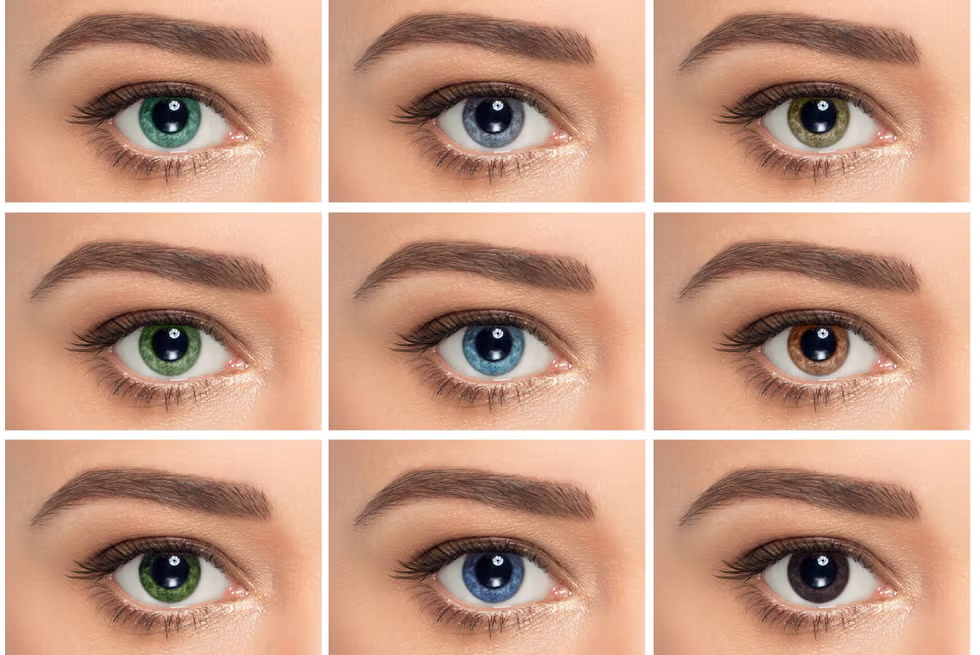
Contact lenses that involve color are not just restricted to cosmetic experiments and use on costumes anymore. They are a mainstream vision and exquisite product that students, professionals, influencers, and event planners use in their everyday lives. You can have a minor perfection or a radical change, no matter what you desire, but to select the appropriate pair, you need more than to choose a color. You can explore our color contact lenses collection to find the perfect pair for your style and eye color.
This guide provides the information necessary when you buy color contact lenses online, such as the variety of lenses, the material used, the choice of the diameter, the prescription, the protective measures of safety, and the style of care.
What Are Color Contact Lenses?
Color contact Lenses Colored contact lenses are soft contact lenses that have patterns of pigment embedded within. In contrast to the primitive versions of colored lenses, the contemporary versions have a multi-layer printing method. This is because the pigment is enclosed between layers of hydrogel in order to avoid the pigment coming into direct contact with the cornea.
They are available in:
- Non-prescription (Plano)
- Prescription (Myopia / Hyperopia correction)
- Daily, monthly, and yearly replacement cycles
The modern technology allows natural merging; that is, the lens does not cover up your natural iris color but rather combines with it.
Types of Color Contact Lenses
1. Enhancement Tint Lenses
They are semi-transparent and enhance your natural eye color as opposed to making it entirely different. Will suit best light brows (grey, green, haze).
Best for:
- Office wear
- Daily subtle enhancement
- Professional settings
2. Opaque Color Lenses
Opaque lenses fully cover the iris using dense pigmentation. Suitable for dark brown eyes where enhancement tints may not show clearly.
Popular shades include:
- Grey
- Hazel
- Green
- Blue
- Honey
- Violet
3. Circle Lenses (Large Diameter Lenses)
These lenses typically range between 14.2mm and 14.8mm in diameter and create a “doll-eye” effect by enlarging the visible iris.
Common in:
- Fashion styling
- Photography
- Social media content
- Events and weddings
4. Prescription Color Lenses
Available for vision correction. These combine cosmetic design with refractive correction, eliminating the need for clear lenses.
Power range typically includes:
- -0.50 to -8.00 (Myopia)
- +0.50 to +4.00 (Hyperopia)
(Some ranges vary by manufacturer.)
Popular Color Choices & Who They Suit
Grey Contact Lenses
- Neutral tone
- Works on most skin undertones
- Popular for both men and women
- Creates a sharp yet natural appearance
Hazel Contact Lenses
- Warm blend of brown and green
- Complements medium to olive skin
- Looks natural under sunlight
Green Contact Lenses
- High contrast on brown eyes
- Fashion-forward choice
- Often selected for bridal makeup
Blue Contact Lenses
- Dramatic transformation for dark eyes
- Popular in photography
- Available in ice blue, ocean blue, and navy variants
Honey / Brown Tones
- Soft natural enhancement
- Suitable for conservative settings
- Minimal makeup compatibility
Lens Specifications You Should Understand
Before purchasing, review the following technical details:
Diameter (DIA)
- 14.0mm–14.2mm → Natural look
- 14.3mm–14.5mm → Slight enlargement
- 14.6mm+ → Dramatic enlargement
Base Curve (BC)
Most soft lenses fall between 8.4 and 8.8.
An incorrect base curve may cause discomfort or lens movement.
Water Content
Typically ranges from 38% to 55%.
Higher water content:
- More breathable
- More comfortable initially
- May dry faster in air-conditioned environments
Lower water content:
- More durable
- Better for long wear
- Less prone to dehydration
Daily vs Monthly vs Yearly Lenses
Daily Disposable
- Single use
- No cleaning required
- Highest hygiene level
- Ideal for occasional wear
Monthly Lenses
- Replace every 30 days
- Requires daily cleaning
- Balanced cost and hygiene
Yearly Lenses
- Replace after 12 months
- Requires strict care routine
- Budget-friendly for frequent users
Monthly lenses are the most popular choice due to cost-efficiency and comfort balance.
Are Color Contact Lenses Safe?
Yes – if used correctly.
Color contact lenses are regulated medical devices in many countries. Safety depends on:
- Proper fitting
- Hygiene
- Storage conditions
- Replacement compliance
Unsafe practices include:
- Sharing lenses
- Sleeping with non-approved lenses
- Using tap water for cleaning
- Extending wear beyond the replacement cycle
Common complications from misuse:
- Corneal infection
- Dry eye syndrome
- Conjunctivitis
Reduced oxygen flow
To minimize risk:
- Wash your hands before handling
- Use a sterile multipurpose solution
- Replace the lens case every 3 months
- Never exceed recommended wear time
How Long Can You Wear Color Contacts?
Most soft lenses are approved for 6–8 hours of continuous wear. Some silicone hydrogel lenses allow up to 10–12 hours, depending on oxygen permeability (Dk/t value).
If you experience:
- Redness
- Irritation
- Blurred vision
- Burning sensation
Remove lenses immediately.
Choosing the Right Shade for Your Skin Tone
Fair Skin
- Ice grey
- Light blue
- Soft green
- Light hazel
Medium/Wheatish Skin
- Honey brown
- Olive green
- Charcoal grey
- Aqua blue
Olive Skin
- Emerald green
- Warm hazel
- Smokey grey
Deep Skin Tone
- Golden brown
- Hazel
- Deep blue
- Natural grey
Always consider lighting conditions. Indoor lighting may mute lens color; sunlight enhances contrast.
Makeup Compatibility Tips
- Dramatic lenses → Neutral eye makeup
- Subtle lenses → Bold liner or shimmer
- Grey lenses → Silver and charcoal shades
- Hazel lenses → Warm bronze tones
- Blue lenses → Soft brown shadow to balance intensity
Avoid excessive glitter near the waterline to reduce irritation risk.
Cost Breakdown
Prices vary based on:
- Replacement cycle
- Brand reputation
- Prescription availability
- Packaging quantity
Typical pricing range:
- Daily lenses → Higher per pair
- Monthly lenses → Moderate pricing
- Yearly lenses → Lowest per month cost
Prescription lenses may cost slightly more due to customization.
Storage & Cleaning Routine
- Remove lenses carefully.
- Rub gently with multipurpose solution (even if labeled “no-rub”).
- Rinse thoroughly.
- Store in a clean case with a fresh solution.
- Never reuse old solution.
Replace the solution daily. Do not top off.
Signs You Should Replace Lenses Early
- Discoloration
- Tear or edge damage
- Persistent discomfort
- Reduced clarity
- Protein buildup
Ignoring these signs increases infection risk.
Who Should Avoid Color Contact Lenses?
- Individuals with chronic dry eye
- Severe allergies
- Recent eye surgery
- Active eye infection
Consult an eye specialist if unsure.
Myths About Color Contact Lenses
Myth 1: They damage natural eye color
Reality: Pigment does not interact with iris tissue.
Myth 2: Only cosmetic users wear them
Reality: Prescription versions are widely used.
Myth 3: Dark eyes cannot change color
Reality: Opaque lenses effectively cover dark irises.
Seasonal & Occasion-Based Use
Color contact lenses are commonly used for:
- Weddings
- Eid celebrations
- Photoshoots
- University events
- Fashion styling
- Casual everyday enhancement
Grey and hazel shades remain bestsellers year-round due to versatility.
Online Buying Checklist
Before placing an order, confirm:
- Diameter
- Base curve
- Prescription power
- Replacement schedule
- Expiry date
- Return policy
- Sealed packaging
Always purchase from verified retailers when you buy color contact lenses online safely to ensure quality, hygiene, and authentic products.
Frequently Asked Questions
Can beginners use color contact lenses?
Yes. Start with daily disposable lenses for easier management.
Do color lenses blur vision?
No, if correctly fitted. The central pupil area remains clear.
Can I sleep with them?
Only if labeled for extended wear. Otherwise, remove before sleeping.
Do they feel different from clear lenses?
No. Material is similar; comfort depends on hydration level.
Final Thoughts
Color contact lenses integrate beauty and purpose with vision intervention. They must, however, be used as medical devices and not as accessories in the fashion industry. Diameter, water content, base curve, and replacement cycle, the understanding of this type of specification provides comfort and safety.
When selected carefully, color contact lenses can:
- Enhance facial features
- Complement makeup
- Provide vision correction
- Boost confidence
Always prioritize hygiene, follow wear limits, and purchase from reputable sources. A well-chosen pair can deliver both style and comfort without compromising eye health.

