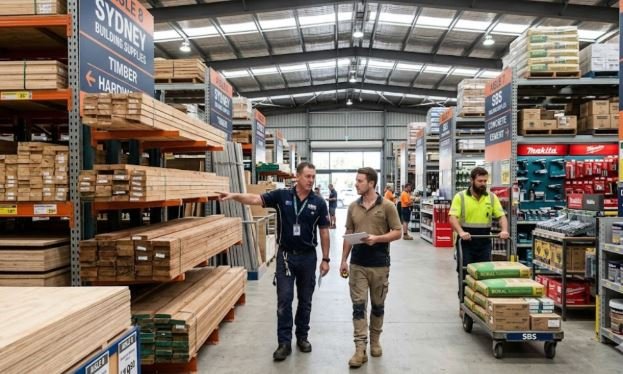
Walk onto any busy construction site in Sydney and ask the site manager what causes the most headaches. Chances are, sourcing the right materials at the right time will be near the top of the list. Whether you are building a new home in Western Sydney, renovating a terrace in the Inner West, or managing a commercial fit-out in Parramatta, getting your building supplies sorted early can be the difference between a smooth project and a costly one.
Sydney has no shortage of suppliers. But more options does not always make things easier. You still need to know what to buy, who to buy it from, and how to avoid common traps that blow out budgets and timelines. This guide walks you through all of that.
What Types of Building Supplies Do You Actually Need?
Before you call a supplier or place an order, it helps to understand the broad categories of materials most projects require. Getting clear on this upfront prevents last-minute trips to the hardware store mid-project.
Structural Materials
These are the bones of any build. Structural materials include framing timber, LVL (laminated veneer lumber), hardwood posts and beams, bricks and blocks, reinforced concrete, cement, and steel. In Sydney, brick remains the most widely used residential building material, followed by cement, timber, roof tiles, and gypsum plasterboard. For apartments and commercial builds, steel framing and reinforced concrete become more prominent.
Sheeting and Lining
This category covers the materials that form walls, floors, and ceilings internally. Key products include plasterboard, fibre cement sheeting, plywood, particleboard, and cement floor panels. For projects requiring acoustic performance or fire-rated walls, you will also need to source specialist linings such as shaft wall systems or acoustic slat panels.
Hardware and Fasteners
Often underestimated, hardware and fasteners are what hold everything together. This includes nails, screws, bolts, collated fasteners, reinforcement mesh, builder’s film, sarking, insulation, damp course, and lintels. Running out of the right screw or lintel size mid-job is a common and avoidable delay.
How to Choose the Right Supplier in Sydney
Not all suppliers are equal. Sydney has a mix of large national chains, specialist yards, and family-run independents. Each comes with trade-offs in price, stock range, lead times, and service quality.
A good starting point is to look for a supplier that carries a wide range under one roof. When you can source your timber, hardware, sheeting, and fasteners from the same place, you cut down on time and reduce the risk of mismatched products. For example, building supplies Sydney options from established Australian-owned merchants like Blacktown Building Supplies give you access to a broad product range, trade accounts, and Sydney-wide delivery all from one source. That kind of convenience is hard to put a number on when you are on a tight project schedule.
What to Look For in a Building Supplies Merchant
When comparing suppliers, keep these points in mind:
- Stock range: Can they supply structural timber, sheeting, hardware, and aggregates? The fewer suppliers you deal with, the less coordination overhead you carry.
- Delivery coverage: Do they deliver to your site in Sydney metro, Hills District, Blue Mountains, or Wollongong? Same-day or next-day delivery on stocked products is a real advantage.
- Pricing transparency: Avoid suppliers who are vague about costs. Reputable yards are upfront about pricing and do not add unexpected fees after the fact.
- Experienced staff: On complex jobs, being able to talk to someone who understands what you are building is worth a lot. Good trade counter staff can save you from ordering the wrong grade or quantity.
- Trade account options: If you are a builder or tradie, having a trade account unlocks better pricing and streamlined ordering.
Trade Accounts and Bulk Discounts
If you are buying building materials regularly, applying for a trade account with your supplier is one of the smartest things you can do. Trade accounts typically give you access to volume pricing, priority ordering, extended payment terms, and dedicated account support. Most reputable Sydney suppliers offer this and the application process is straightforward. Even as an owner-builder, it is worth asking whether you qualify.
How to Save Money on Building Materials Without Cutting Corners
Saving money on materials does not have to mean compromising on quality. It mostly comes down to smarter buying habits.
- Buy in bulk where possible: Larger quantities almost always attract better per-unit pricing. If you know you will need 200 metres of framing timber, order it all at once rather than in three separate runs.
- Compare prices across suppliers: Sydney has enough competition in the building supplies market that prices can vary meaningfully. A quick round of calls or online quotes before placing a large order is time well spent.
- Use recycled or reclaimed aggregates: For non-structural applications like fill, drainage, and landscaping sub-base, recycled aggregates are a cost-effective and environmentally sound choice.
- Choose multi-purpose products: Some materials serve more than one function. Bondcrete, for example, can be used as an adhesive, a sealer, and a waterproofing agent. Using one product across multiple applications reduces your shopping list.
- Time your orders carefully: Urgent or after-hours deliveries often carry a premium. Where your schedule allows, plan orders in advance and opt for standard delivery windows.
Delivery vs. Pick-Up: Which Makes More Sense?
Both options have their place depending on your project type, location, and urgency.
When Delivery Is Worth It
For bulk or heavy materials such as sand, cement, aggregates, or large timber orders, delivery almost always makes sense. Crane trucks and tipper deliveries get materials to your site door without you needing to organise transport. Many Sydney suppliers offer same-day or next-day delivery on stocked items, which can keep your project moving without delays.
When Pick-Up Saves You Money
For smaller hardware orders, pick-up is usually faster and cheaper. It also gives you the chance to inspect materials in person before taking them. If you are near a supplier’s warehouse, pick-up during early morning trade hours (most Sydney yards open from 6:30am on weekdays) is a practical option that avoids delivery fees on small orders.
Common Mistakes to Avoid When Buying Building Supplies
Even experienced builders make avoidable errors when buying materials. Here are the most common ones worth watching out for.
Underestimating Quantities
Short ordering is one of the most common and frustrating mistakes on a build. Always add a 10 percent buffer to your material estimates to account for cuts, waste, and breakage. Running short mid-project means emergency orders, potential delivery delays, and possible batch or colour mismatches in materials like bricks or tiles.
Not Checking Product Grades and Ratings
Sydney’s climate and building codes mean that product specification matters. Treated pine, for example, comes in different hazard class ratings (H2, H3, H4, H5) with each suited to different exposure conditions. Using the wrong grade can void warranties and lead to premature failure. The same applies to fire-rated plasterboard, structural LVL, and waterproofing membranes. Always confirm the product specification with your supplier before ordering.
Skipping Supplier Comparisons
Loyalty to a single supplier without checking pricing periodically can cost you more than you realise. The Sydney building supplies market is competitive, and a quick comparison on large orders can reveal meaningful savings. That said, price is not the only factor. Reliability, stock availability, and delivery performance matter just as much on a live project.
Ignoring Delivery Lead Times on Large Orders
Standard in-stock items may arrive next day, but specialty products, custom cuts, or high-volume orders often require longer lead times. Always confirm lead times before committing to project milestones and build in a buffer for unexpected delays.
Final Thoughts
Buying building supplies in Sydney does not have to be stressful. The key is doing a bit of groundwork before your project kicks off. Know what materials your job needs, find a supplier with strong stock, transparent pricing, and solid delivery coverage, and take advantage of trade accounts and bulk pricing where you can.
A good supplier is not just a transaction. They are a project partner. Take the time to find one that understands the scope of your work, has the range to support it, and the reliability to keep you moving. That relationship will pay off on every job you run.