
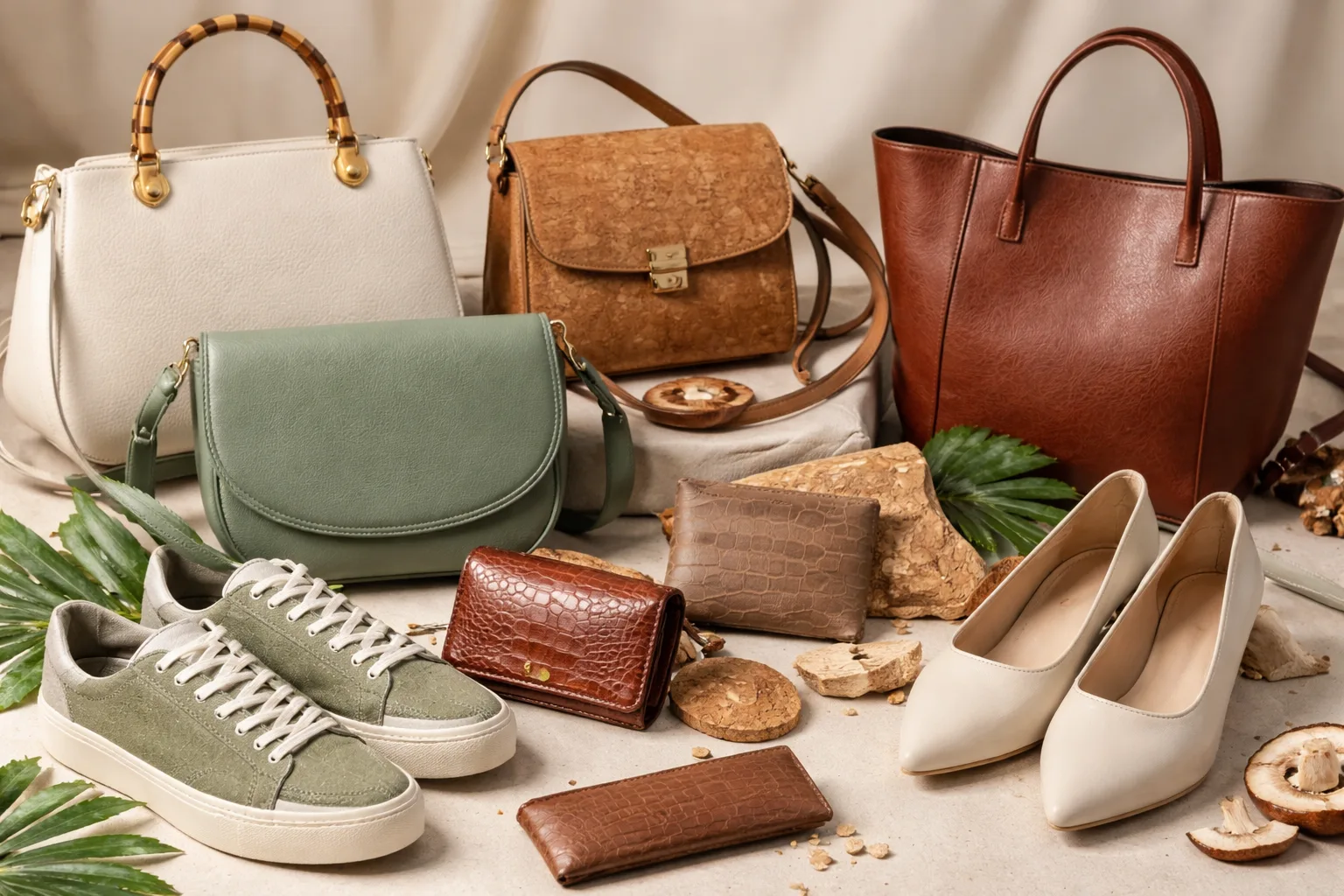
As sustainability becomes increasingly important to consumers, understanding what is vegan leather has never been more crucial. Vegan leather offers an animal-free alternative to traditional leather, appealing to eco-conscious individuals and those seeking cruelty-free products. In this guide, we will explore the materials, benefits, and comparisons between vegan leather and its traditional counterpart.
What is Vegan Leather?
Vegan leather, also known as faux leather or synthetic leather, is a material designed to imitate the look and feel of animal leather without using animal products. It is produced from a variety of materials, including polyurethane (PU), polyvinyl chloride (PVC), and innovative plant-based options such as mushroom and pineapple fibers. This versatile material is used in everything from fashion to automotive interiors.
How is Vegan Leather Made?
Common Materials Used
- Polyurethane (PU): A popular synthetic polymer used for its flexibility and durability.
- Polyvinyl Chloride (PVC): Another synthetic option, known for its affordability but less eco-friendly characteristics.
- Natural Fibers: Includes innovative materials like mushroom leather (Mycelium) and pineapple leather (Piñatex).
Manufacturing Process
The production of vegan leather varies based on the materials used. PU and PVC are typically made by coating a fabric base with a plastic layer. Plant-based leathers involve processing natural fibers into a leather-like material. Despite the differences, all methods aim to create a durable, leather-like product without animal involvement.
See also Dublin in Style: Europe’s Rising Capital of Luxury, Fashion, and Modern Glamour
Types of Vegan Leather
There are several types of vegan leather, each offering unique properties:
- PU Leather: Known for its breathability and water resistance, making it a favorite in fashion.
- PVC Leather: More affordable, but less environmentally friendly due to its production process.
- Plant-Based Leathers: These are gaining traction for their sustainable properties. Examples include mushroom leather and pineapple leather.
Vegan Leather vs. Real Leather
Durability and Appearance
While traditional leather is known for its durability and luxurious appearance, vegan leather offers a cruelty-free alternative with varying levels of durability depending on the material. PU leather tends to be more durable than PVC, while plant-based leathers are still being evaluated for long-term use.
Cost Comparison
| Type | Average Cost | Longevity |
|---|---|---|
| Traditional Leather | High | 10+ years |
| PU Vegan Leather | Moderate | 5-10 years |
| PVC Vegan Leather | Low | 3-5 years |
| Plant-Based Vegan Leather | Varies | Under evaluation |
Advantages and Disadvantages of Vegan Leather
- Pros: Animal cruelty-free, available in diverse styles, often more affordable than traditional leather.
- Cons: Varies in durability, some synthetic options are less environmentally friendly.
Sustainability of Vegan Leather
Environmental Impact
Vegan leather production generally involves fewer resources than traditional leather. However, the environmental impact varies. PU and PVC require fossil fuels, while plant-based leathers offer a more sustainable option by utilizing renewable resources.
Ethical Considerations
Choosing vegan leather supports animal welfare and reduces the demand for animal-derived products. This aligns with the values of ethical fashion and promotes a more sustainable textile industry.
Popular Brands and Innovations
Market Trends
Many fashion brands are embracing vegan leather, incorporating it into their collections to meet consumer demand for ethical and sustainable options. Brands like Stella McCartney and Matt & Nat are pioneers in this space.
Future of Vegan Leather
The future looks promising as innovation continues to drive the development of new materials. Research into biodegradable and more sustainable options is underway, potentially revolutionizing the industry.
Case Study: The Rise of Mushroom Leather
Mushroom leather, derived from mycelium, offers an innovative and eco-friendly alternative. Brands like MycoWorks are leading the charge, creating strong, sustainable materials that mimic traditional leather’s aesthetics and performance.
Conclusion
Understanding what is vegan leather is key in today’s eco-conscious world. This material offers a viable alternative to traditional leather, with various benefits and challenges. As innovation progresses, vegan leather will likely become an even more prominent player in both fashion and other industries. Explore the possibilities and make informed choices to support a sustainable future.
FAQs
What are the environmental benefits of vegan leather? Vegan leather often requires fewer resources and emits fewer pollutants than traditional leather.
How does vegan leather compare in terms of durability? Durability varies by material, with PU being more durable than PVC.
Are there health concerns associated with vegan leather? While generally safe, it’s important to choose vegan leathers free from harmful chemicals.
Is vegan leather more sustainable than real leather? Generally, yes, especially plant-based options, though it depends on the specific materials and processes used.
What are the best vegan leather brands? Brands like Stella McCartney, Matt & Nat, and MycoWorks are recognized for their quality vegan leather products.

